How Long Does a Personal Injury Settlement Take in California?
There is no single deadline for resolving a California personal injury settlement. A relatively straightforward claim involving clear responsibility and injuries that stabilize quickly may resolve within months, while a serious injury claim, disputed case, or lawsuit may take a year or considerably longer.
The personal injury settlement timeline in California usually depends on medical treatment, available evidence, the complexity of liability, the amount of damages, insurance coverage, and whether the parties can reach an agreement without litigation.
Understanding each stage can make the process easier to follow.
Why Is There No Single Settlement Timeline?
Two injury claims arising from similar accidents can follow very different timelines.
One person may recover after several weeks of treatment. Another may require surgery, rehabilitation, specialist care, or treatment for permanent limitations.
The claim may also take longer when:
- Responsibility for the accident is disputed
- Several parties may be liable
- Multiple insurance policies are involved
- Future medical needs are uncertain
- Wage loss or earning capacity is disputed
- Important records or expert analysis are required
For that reason, online averages should be treated as general information rather than a prediction of how long a particular case will take.
Stage 1: Medical Treatment and Understanding Your Injuries
Medical recovery can be one of the biggest factors controlling the settlement timeline.
Before valuing a serious injury claim, it may be important to understand the diagnosis, treatment received, prognosis, possible future care, and whether the injury may create lasting limitations.
This stage is sometimes discussed in terms of reaching maximum medical improvement, or MMI—the point at which a patient’s condition has stabilized enough for their future medical outlook to be better understood.
Settling before the medical picture is reasonably clear can make it difficult to account for future treatment.
Stage 2: Gathering Evidence and Documenting Damages
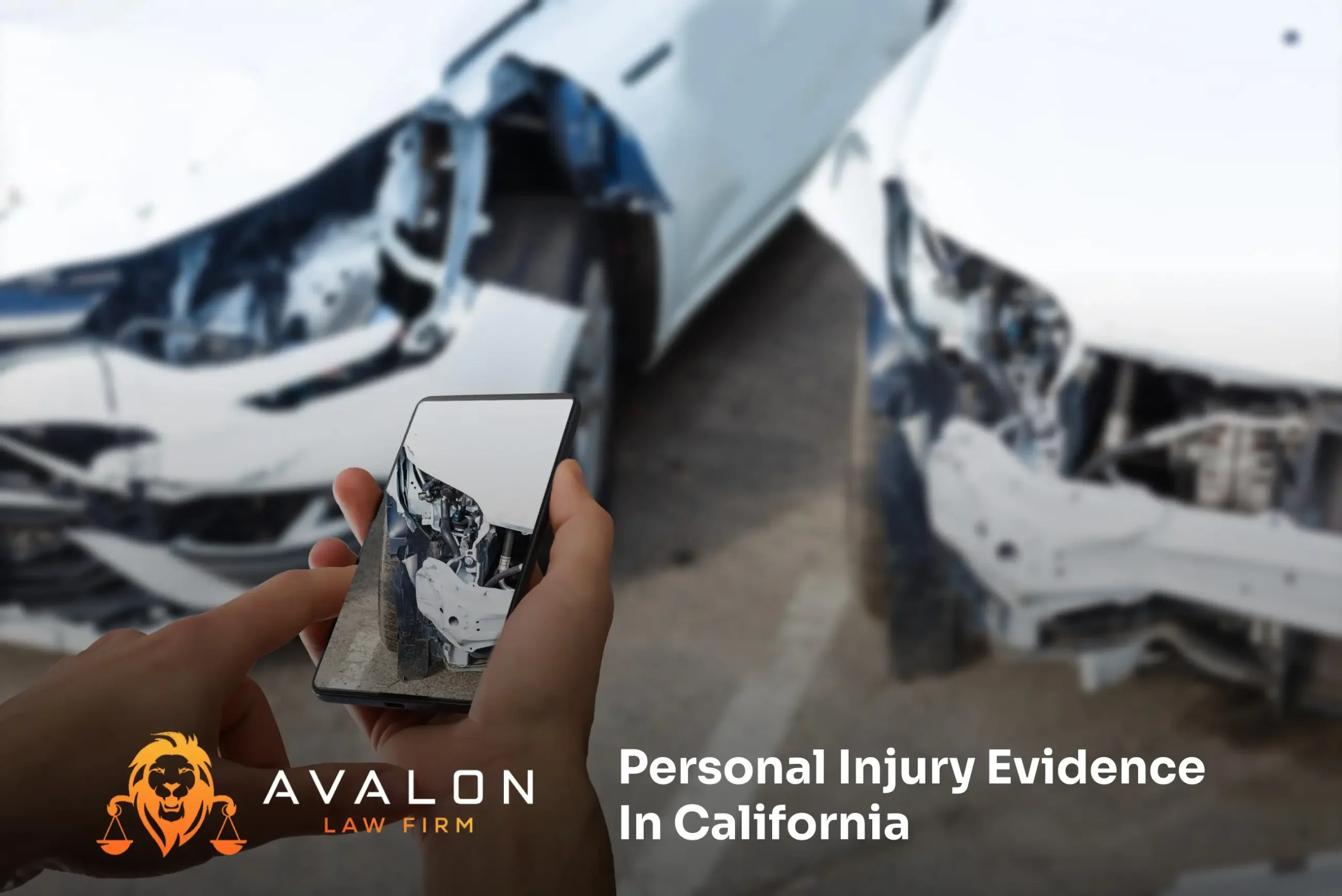
While treatment continues, evidence may be collected to support liability and damages.
Depending on the case, this can include:
- Police or incident reports
- Accident photographs and videos
- Witness statements
- Medical records and bills
- Employment and wage-loss records
- Insurance information
- Surveillance or digital evidence
- Records showing out-of-pocket expenses
The stronger and more complete the documentation, the easier it may be to present the facts of the claim clearly.
Stage 3: Preparing the Settlement Demand
Once the injuries and losses can be evaluated more meaningfully, a settlement demand may be prepared.
A demand package can include evidence of liability, medical documentation, bills, lost-income records, information about future damages, and an explanation of how the injuries affected the injured person’s life.
Missing medical records or incomplete damage documentation can slow this stage.
Stage 4: Insurance Review and Negotiation
After receiving a demand, an insurance company may review the evidence, evaluate liability and damages, request additional information, and respond with an offer or position.
Settlement negotiations may involve several offers and counteroffers.
California’s fair-claims regulations impose certain deadlines on insurers during claim handling, but those regulatory deadlines do not mean every personal injury claim must settle within a fixed number of days. For example, California regulations generally require an insurer to accept or deny a claim within 40 calendar days after receiving proof of claim, subject to provisions allowing additional investigation.
The overall negotiation period still depends on the facts and whether the parties agree on value.
What Can Make a Personal Injury Settlement Take Longer?
Common causes of a longer settlement process include:
Serious injuries. Future medical treatment, disability, or reduced earning capacity may require additional documentation.
Disputed liability. Additional witnesses, records, photographs, experts, or investigation may be necessary.
Multiple parties. Commercial vehicle, rideshare, premises-liability, and multi-vehicle cases can involve several defendants or insurers.
Complex damages. Future medical costs and long-term income loss can take more time to evaluate.
Litigation. Filing a lawsuit adds formal discovery, depositions, motions, mediation, and potentially trial.
Should You Settle Before Medical Treatment Is Complete?
Speed should not be the only consideration.
A settlement normally resolves the claim in exchange for a release. If significant future medical care or long-term effects have not yet been understood, settling early can create uncertainty about whether those losses were adequately considered.
An early offer should therefore be evaluated based on the facts, medical evidence, available insurance, and potential future damages.
A California personal injury Attorney can review these issues before a settlement is accepted.
What Happens If a Settlement Cannot Be Reached?
If negotiations do not resolve the claim, filing a lawsuit may become an option.
Litigation usually adds time because the parties may exchange documents through discovery, take depositions, obtain expert opinions, file motions, and participate in mediation or other settlement discussions.
Many lawsuits still resolve before trial, but there is no guaranteed timeline once litigation begins.
How Long After Settlement Does Payment Take?
Reaching an agreement and receiving the final funds are separate steps.
After settlement, the parties typically complete release documents. California regulations generally require an insurer, after accepting a claim and receiving a properly executed release when necessary, to tender payment within 30 calendar days, subject to regulatory exceptions.
Additional time may be needed to deposit the check, resolve applicable medical or reimbursement liens, account for costs and fees, and distribute the remaining settlement proceeds.
California Deadlines Still Apply While Negotiations Continue
Settlement discussions do not eliminate filing deadlines.
California Courts state that a personal injury lawsuit generally must be filed within two years from the injury, although exceptions can apply. Claims involving government entities can require an administrative claim much earlier, commonly within six months for personal injury.
Because deadlines are fact-specific, they should be evaluated independently from settlement negotiations.
Conclusion
The length of a California personal injury settlement depends on more than how quickly an insurance company responds. Medical recovery, evidence, liability, damages, negotiation, insurance coverage, and litigation can all affect the timeline.
A faster settlement is not automatically a better settlement, particularly when serious injuries or future medical needs are still being evaluated.
Avalon Law Firm represents injured Californians and can review the medical records, liability evidence, insurance coverage, and damages involved in a claim and explain the steps that may apply to the settlement process.
Common Questions About Your Rights
How long do most personal injury settlements take in California?
There is no single average that reliably predicts an individual claim. Straightforward cases may resolve in months, while serious, disputed, or litigated cases may take a year or longer.
Why is my personal injury settlement taking so long?
Ongoing medical treatment, missing records, disputed fault, serious injuries, multiple parties, insurance coverage issues, or litigation can all extend the process.
Should I settle before I finish medical treatment?
Not necessarily. Before accepting a settlement, it can be important to understand the likely extent of the injuries, future treatment needs, and potential long-term losses.
How long does an insurance company have to review a claim in California?
California regulations generally require insurers to accept or deny a claim within 40 calendar days after receiving proof of claim, subject to provisions that permit additional investigation and require further notices.
Does filing a lawsuit make a personal injury case take longer?
Usually, litigation adds additional stages such as discovery, depositions, motions, mediation, and potentially trial. However, some cases settle after a lawsuit is filed and before trial.
How long after a settlement is reached do you get paid?
California regulations generally require payment within 30 calendar days after acceptance of the claim and receipt of a properly executed release when required, subject to exceptions. Additional time may be needed to address liens and complete settlement distribution.