Car accidents are a common cause of personal injury claims in California, but “common” does not mean simple. Whether you were sideswiped on the freeway, rear-ended at a red light, or T-boned at an intersection, a car crash instantly disrupts your life.
Suddenly, you are forced to juggle vehicle repairs, medical appointments, and missed work all while trying to physically recover from painful injuries like severe whiplash, fractures, or concussions.
Because insurance companies handle thousands of these claims every day, they have established processes for evaluating and resolving claims.
Understanding how insurance adjusters evaluate claims and how California law protects injured drivers can help you make informed decisions about your case.
After a serious collision, a California car accident lawyer can help determine who may be responsible, preserve important evidence, communicate with insurance companies, and document the losses connected to your injuries. Avalon Law Firm represents injured drivers and passengers in claims involving rear-end crashes, intersection collisions, sideswipes, and other motor vehicle accidents. Depending on the circumstances, compensation may include medical expenses, lost income, property damage, and other recoverable losses.
Car accident claims in California may arise from distracted driving, speeding, failure to yield, unsafe lane changes, or impaired driving. Rear-end collisions, intersection crashes, left-turn accidents, head-on collisions, and multi-vehicle crashes can involve different questions about driver behavior and responsibility. Avalon Law Firm’s California car accident lawyers evaluate the circumstances of each collision rather than assuming fault based on the crash type alone. Police reports, witness accounts, photographs, and available video footage may help establish liability, while medical records can help document the injuries connected to the accident.
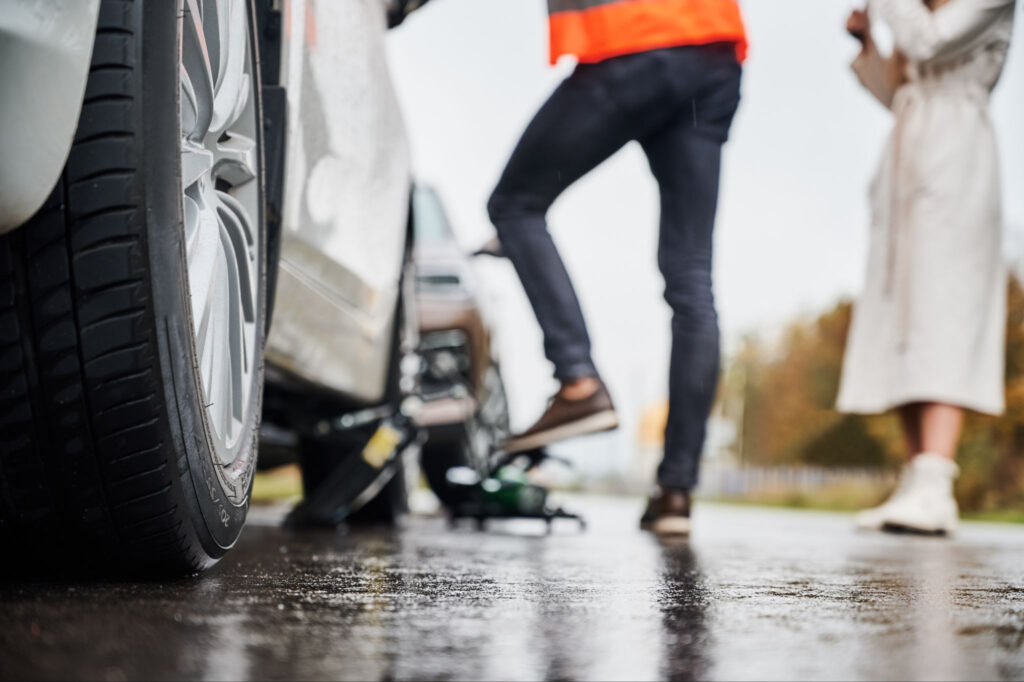
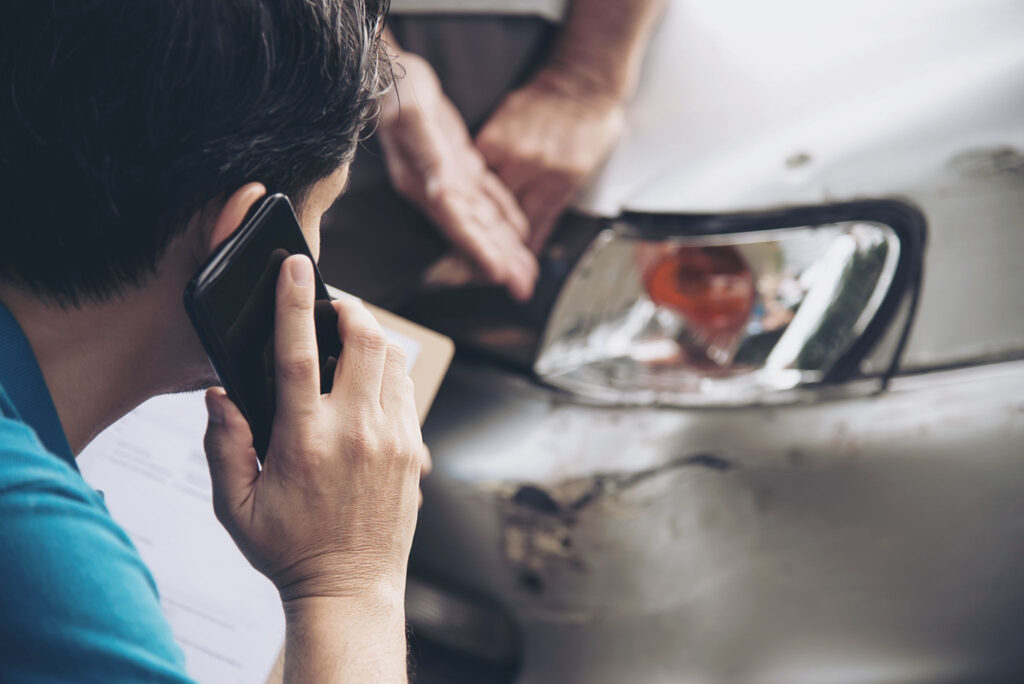
One of the most frequent tactics auto insurance adjusters use is looking at the physical damage to your car as a proxy for your bodily injuries.
If your vehicle only sustained a scratched bumper or a minor dent, the adjuster will confidently argue that the collision didn’t carry enough force to cause severe physical harm.This argument can be misleading because vehicle damage does not always reflect the severity of a person’s injuries because of the following:
Seeking appropriate medical care and accurately documenting symptoms can help establish a medical record after a collision. These records may be important when evaluating whether an injury is connected to the accident, although they do not guarantee a particular insurance or legal outcome.
Car accidents are rarely perfectly black and white, and insurance companies aggressively exploit any shared responsibility to protect their bottom line. They might argue that you were driving slightly over the speed limit, failed to look both ways quickly enough, or had a broken brake light.
Fortunately, California operates under a pure comparative negligence system. Under this system, a person may still recover compensation even if they share some responsibility for the accident.
For example, if an injured driver’s damages are assessed at $100,000 and the driver is found 20% responsible for the collision, those damages may be reduced to $80,000. Actual recovery depends on the case and applicable law.
Avalon Law Firm assists people injured in car accidents in Canoga Park, Sacramento, and other California communities. Whether a crash happens on a busy city street, at an intersection, or on a California freeway, determining fault may require reviewing police reports, photographs, witness statements, vehicle damage, and available video evidence. Building that record early can help establish how the collision occurred and support an injury claim.
An auto insurance adjuster may dispute or attempt to increase your percentage of fault during the claims process.
Conditions at an accident scene can change quickly as vehicles are moved, traffic resumes, or debris is cleared. If it is safe to do so, preserving photographs, witness details, and available video evidence can help document what happened. Personal safety and emergency medical needs should always come first.
Some car accident claims also become more complicated when the at-fault driver has insufficient insurance, liability is disputed, or multiple vehicles are involved. Before accepting a settlement, injured people should understand what losses the offer is intended to cover and whether future medical treatment may still be necessary. Avalon Law Firm can review the circumstances of a collision, available insurance coverage, and evidence before pursuing a claim against the responsible parties.
A California car accident settlement typically requires reviewing the available medical evidence, evaluating responsibility, documenting lost income and other damages, and negotiating with the relevant insurance company. The process may take longer when medical treatment is ongoing, liability is disputed, or multiple insurance policies are involved. Before accepting an offer, injured people should understand what the settlement covers and whether future medical needs have been considered. Avalon Law Firm can help evaluate settlement options and discuss litigation when a negotiated resolution is not reached.
Dealing with aggressive insurance adjusters, property damage adjusters, and medical bills while trying to heal from a crash is an immense mental burden.
At Avalon Law Firm, we help protect you from the pressure tactics used during the claims process.
We take over all communications, obtain the police reports, analyze cellular or dashcam data, and work to pursue the compensation available under your insurance claim and California law.
Every case is unique, and the outcome of any personal injury claim depends on its specific facts, the available evidence, and applicable law.
If you have been injured on California roads, don’t let an insurance company undervalue the impact your injuries have had on your life. Call us today at 818-251-8787 for a free consultation.
If the at-fault driver is uninsured or underinsured, your own uninsured motorist (UM) or underinsured motorist (UIM) coverage may help pay for your injuries if you purchased that coverage. California’s standard minimum liability insurance limits increased to $30,000 per person and $60,000 per accident in 2025, but serious injuries can exceed these amounts. Other responsible parties or insurance policies may provide additional options.
Yes, compensation may be available through applicable uninsured motorist coverage or other responsible parties. For injury claims involving an unidentified driver, California’s uninsured motorist law generally requires physical contact, reporting the accident to law enforcement within 24 hours, and submitting a sworn statement to the insurer within 30 days. Preserve surveillance footage, witness information, and photographs because coverage depends on the circumstances and policy terms.
California requires drivers to file an SR-1 report with the DMV within 10 days when an accident causes injury, death, or more than $1,000 in property damage. The requirement applies regardless of who caused the collision, including qualifying accidents on private property. Filing a police report or notifying your insurance company does not replace the separate DMV reporting requirement.
Yes, passengers injured in California car accidents may pursue compensation from a negligent driver, including the driver of the vehicle in which they were traveling. Depending on the circumstances, the claim may involve multiple insurance policies or uninsured motorist coverage. Recoverable damages may include medical expenses, lost income, pain and suffering, and other accident-related losses.
Your health insurance or applicable medical payments (MedPay) coverage may help cover medical expenses before your car accident claim is resolved. MedPay can cover eligible treatment regardless of fault, subject to policy limits. Some healthcare providers may also offer treatment arrangements involving medical liens. Health insurers and other payers may have reimbursement rights against a future settlement.
Yes, a vehicle owner may share legal responsibility when someone negligently operates the vehicle with the owner’s permission, although statutory limits can apply. An employer may also be liable if an employee causes an accident while performing job-related duties. Determining liability may require reviewing vehicle ownership, employment records, insurance coverage, and the driver’s activities when the collision occurred.
If a government employee causes a collision while performing official duties, the responsible public agency may be liable depending on the circumstances. California generally requires an injury claim against a public entity to be presented within six months, which is shorter than the usual personal injury lawsuit deadline. Prompt legal review is important because special claim procedures and exceptions may apply.


