
Homeowners insurance may provide an important source of compensation after a dog bite in California, but coverage is not automatic in every case. The answer can depend on the policy type, personal-liability limits, endorsements, breed or animal exclusions, and whether another policy such as renters or umbrella insurance also applies.
For an injured person, the key questions are not only whether the dog owner is legally responsible, but also what insurance exists and what that policy actually covers.
How Does Homeowners Insurance Cover a Dog Bite?
A standard homeowners policy generally includes a liability section.
The California Department of Insurance identifies Coverage E Personal Liability as the portion that may respond when an insured or household resident is legally responsible for injury to another person, subject to policy exclusions.
In a dog-bite claim, Coverage E may potentially address damages such as medical expenses, lost income, scarring, and other covered losses when the claim falls within the policy.
Coverage depends on the actual contract, so the existence of a homeowners policy alone does not guarantee payment.
What Is Coverage of Medical Payments to Others?
Homeowners policies may also include Coverage of Medical Payments to Others.
This is different from personal-liability coverage. California DOI describes Coverage F as coverage for certain reasonable medical expenses when another person is accidentally injured.
Medical-payments coverage is generally more limited than the broader liability portion of the policy and should not be confused with the value of an entire dog-bite claim.
Does the Bite Have to Happen at the Owner’s Home?
Not necessarily.
Depending on the policy language, personal-liability coverage may apply to covered incidents away from the insured residence as well. For example, a bite occurring while the owner walks the dog or visits another property may still require review of the owner’s homeowners or renters policy.
The location of the bite matters, but it does not by itself determine whether insurance applies.
Can Renters or Condo Insurance Cover a Dog Bite?
Yes, these policies may also contain personal-liability protection.
California DOI states that renters insurance generally includes both personal liability and medical payments to others. Condo unit-owner insurance can include similar liability protections.
That means if the dog owner rents an apartment or owns a condominium, the relevant policy may be renters or HO-6 condo insurance rather than a traditional homeowners policy.
What Dog Bite Exclusions Can Affect Coverage?
This is where many claims become more complicated.
Current California competitor coverage increasingly focuses on exclusions and endorsements because a policy can exist while providing less dog-bite coverage than expected. Helbock Law identifies several common restrictions, including breed exclusions, named-animal exclusions, animal-liability sublimits, total animal exclusions, and resident-insured exclusions.
Breed Exclusions
Some policies exclude liability for specified dog breeds or mixes.
An insurance exclusion affects whether the insurer pays; it does not automatically determine whether the dog owner is legally responsible.
Prior Bite or Named Dog Exclusions
After an earlier incident, an insurer may exclude a particular animal through an endorsement.
Animal Liability Sublimits
A policy might show one overall personal-liability limit while applying a lower limit specifically to animal claims.
This is why the declarations page should not always be treated as the complete answer.
Why Policy Limits Matter
A policy limit is the maximum amount of covered liability insurance available under the applicable terms of the policy.
Serious dog bite injuries particularly those involving facial wounds, surgery, scarring, or long-term treatment can raise questions about whether the available limit is enough.
An umbrella or excess liability policy may sometimes provide additional coverage above the primary homeowners or renters limit, but the umbrella policy must also be reviewed for animal-related exclusions.
What If the Dog Owner Has a California FAIR Plan Policy?
This is an increasingly important California-specific issue.
California DOI states that the residential FAIR Plan is primarily a basic property policy and currently does not provide the ordinary liability protection found in a traditional homeowners policy. Consumers may purchase a separate Difference in Conditions, or DIC, policy to fill some of those gaps.
For a dog-bite claim, the relevant liability coverage may therefore come from a separate DIC or companion policy not the FAIR Plan itself.
The companion policy must still be reviewed for dog or animal exclusions.
What If the Insurance Company Denies the Dog Bite Claim?
An insurer may deny or limit coverage for reasons such as:
- A breed exclusion
- A named-animal exclusion
- An animal-liability sublimit
- A resident-insured exclusion
- A policy lapse
- A dispute over whether the insured owned or kept the dog
- Other policy-language issues
A written denial or reservation-of-rights letter should be reviewed carefully rather than assuming it ends every possible avenue of recovery.
Current California competitor content also emphasizes confirming the actual endorsements and exclusions instead of relying only on the headline policy limit.
Does an Insurance Denial Mean the Dog Owner Is Not Liable?
No. Insurance coverage and legal liability are separate questions.
California’s dog bite liability rule can apply regardless of whether an insurance company agrees to cover the loss. A coverage exclusion is part of the contract between the insurer and policyholder; it does not itself erase the injured person’s legal claim.
A California dog bite lawyer can evaluate both issues separately: whether the owner may be liable and what insurance or other sources of recovery may exist.
What If the Dog Owner Has No Insurance?
The absence of homeowners or renters insurance does not automatically eliminate the owner’s potential legal responsibility.
Other possibilities may need to be investigated, such as:
- Umbrella coverage
- Another household policy
- A separate property-owner or business policy
- A potentially responsible landlord or property manager
- The dog owner’s personal assets
The available options depend heavily on the facts.
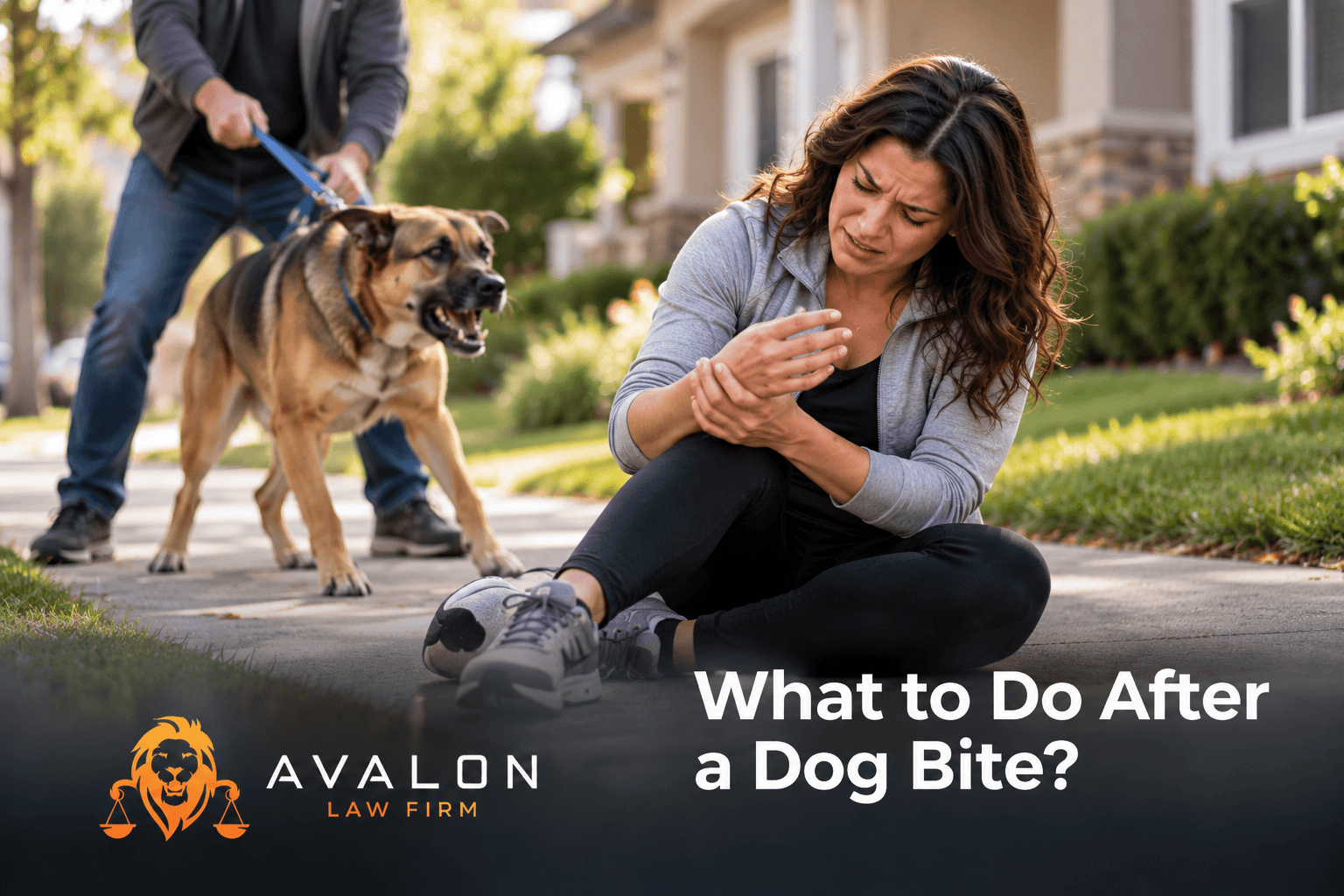
If the bite has just happened, What to Do After a Dog Bite explains the immediate steps for medical care, animal-control reporting, and evidence preservation.
What Evidence Helps With a Dog Bite Insurance Claim?
Useful documentation may include:
- Medical records and bills
- Animal-control reports
- Photographs of wounds and scarring
- Dog-owner information
- Witness details
- Insurance correspondence
- Lost-income records
- Vaccination information
- Photos of the attack location
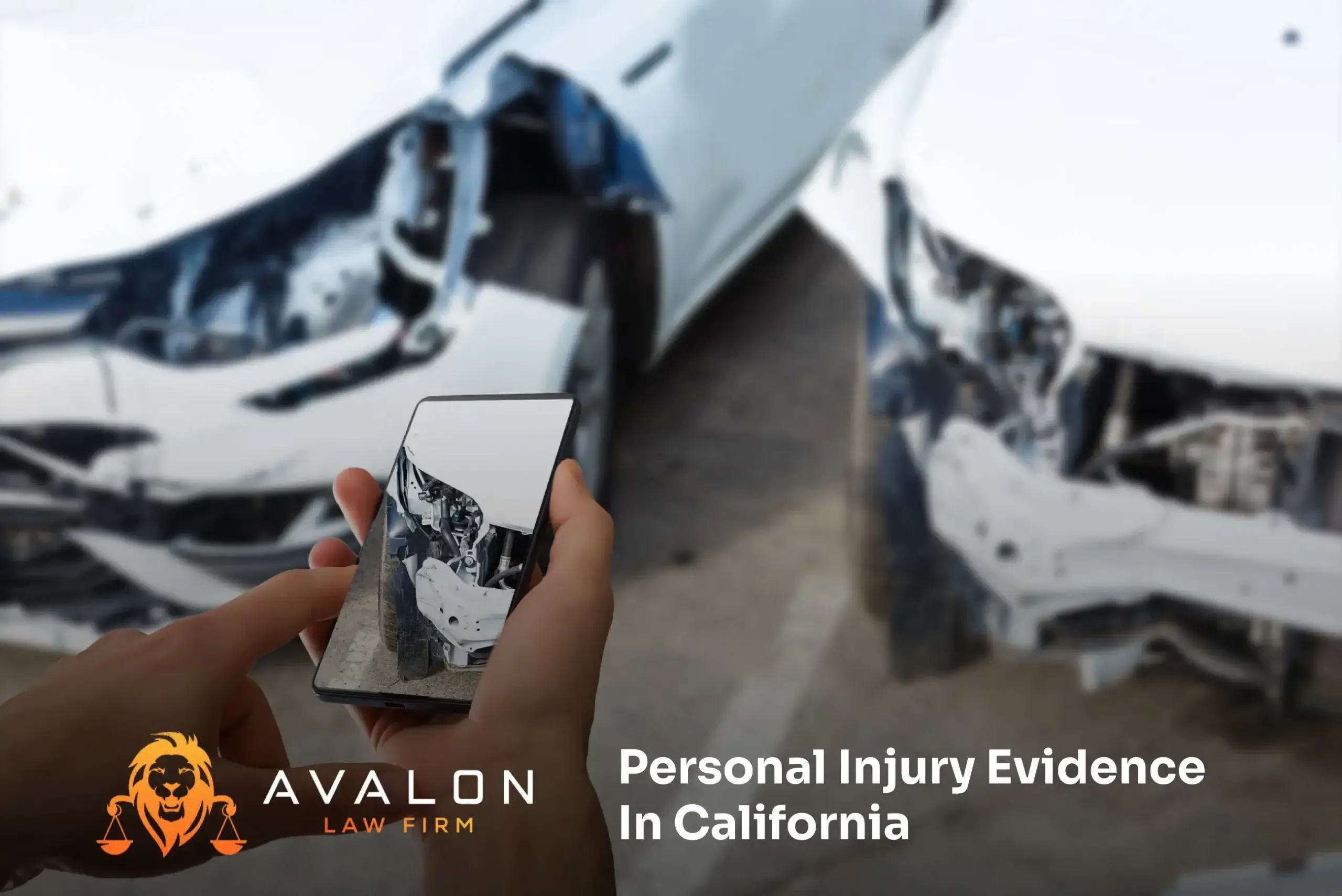
A broader guide to photographs, medical records, witness information, financial losses, and insurance documentation is available in personal injury evidence in California.
Conclusion
Homeowners insurance can be an important source of compensation after a California dog bite, but the details matter. Personal-liability coverage, medical-payments coverage, breed exclusions, animal sublimits, renters or condo policies, umbrella insurance, and FAIR Plan/DIC arrangements can all affect what coverage is available.
A denial of insurance coverage does not automatically eliminate the dog owner’s underlying legal responsibility.
Avalon Law Firm can review the dog-bite evidence, available insurance policies, exclusions, limits, and other potential sources of coverage when evaluating a California dog-bite claim.
Common Questions About Your Rights
Does homeowners insurance usually cover dog bites in California?
Many homeowners policies include personal-liability coverage that may apply to dog-bite claims, but exclusions and endorsements can change the result. The actual policy must be reviewed.
Does renters insurance cover a tenant’s dog bite?
It may. California renters policies commonly include personal-liability protection and medical-payments coverage, subject to exclusions and limits.
Can an insurer deny coverage because of the dog’s breed?
Some California policies contain breed-specific exclusions. Whether an exclusion actually applies depends on the policy wording and facts of the claim.
What happens if the dog-bite damages exceed the policy limit?
Other sources may need to be investigated, including umbrella insurance, additional policies, other responsible parties, or the owner’s assets.
Does the California FAIR Plan cover dog-bite liability?
Current California DOI guidance states that FAIR Plan residential coverage does not itself provide ordinary liability protection. A separate DIC or companion policy may supply liability coverage.
Does an insurance denial mean the dog owner is no longer responsible?
No, insurance coverage and the dog owner’s underlying legal liability are separate questions.