
A grocery store slip and fall can happen in seconds. One moment you are walking through an aisle the next, you may be dealing with pain, confusion, and questions about what caused the fall.
If you slip and fall at a grocery store in California, focus first on your health. Report the incident to store management, photograph the dangerous condition before it changes, collect witness information, identify nearby cameras, preserve relevant items, and keep records of your medical care and expenses.
These steps can also help preserve important evidence if questions later arise about whether the store was responsible.
1. Check for Injuries and Get Medical Care
Before immediately trying to stand, assess how you feel.
Falls can result in wrist, shoulder, knee, hip, back, neck, or head injuries. If you have severe pain, dizziness, weakness, numbness, difficulty moving, or believe you struck your head, seek appropriate medical attention.
Even when emergency treatment is unnecessary, new or worsening symptoms should not be ignored.
Medical records can later document when your symptoms were first reported, what injuries were diagnosed, and what treatment was recommended.
2. Identify What Caused the Fall
If you can safely do so, look at the area around you before employees clean or change it.
Common grocery store hazards include:
- Spilled liquids
- Fallen produce or food
- Leaking refrigerators or freezers
- Recently mopped floors
- Loose or curled floor mats
- Boxes or merchandise in aisles
- Uneven or damaged flooring
Do not guess if you do not know what caused the fall. Simply document what you can actually see.
3. Report the Fall to Store Management
Tell a manager or supervisor about the accident before leaving the store when your medical condition permits.
Ask that an incident report be created. Provide basic facts such as the date, approximate time, aisle or location, and what you observed.
Keep your account accurate and factual rather than speculating about how long the hazard had existed or who caused it.
Current competitor guidance similarly emphasizes immediate reporting because an incident report helps create a contemporaneous record that the fall occurred.
4. Photograph the Hazard Before It Changes
A spill may be cleaned within minutes. Merchandise may be moved. Warning signs may be added.
Take photographs or video, if you can safely do so, showing:
- The hazard itself
- Wide views of the aisle
- The floor surrounding the hazard
- Warning signs or their apparent absence
- Nearby displays or equipment
- Your shoes and clothing
- Visible injuries
Both close-up and wider photographs can help provide context.
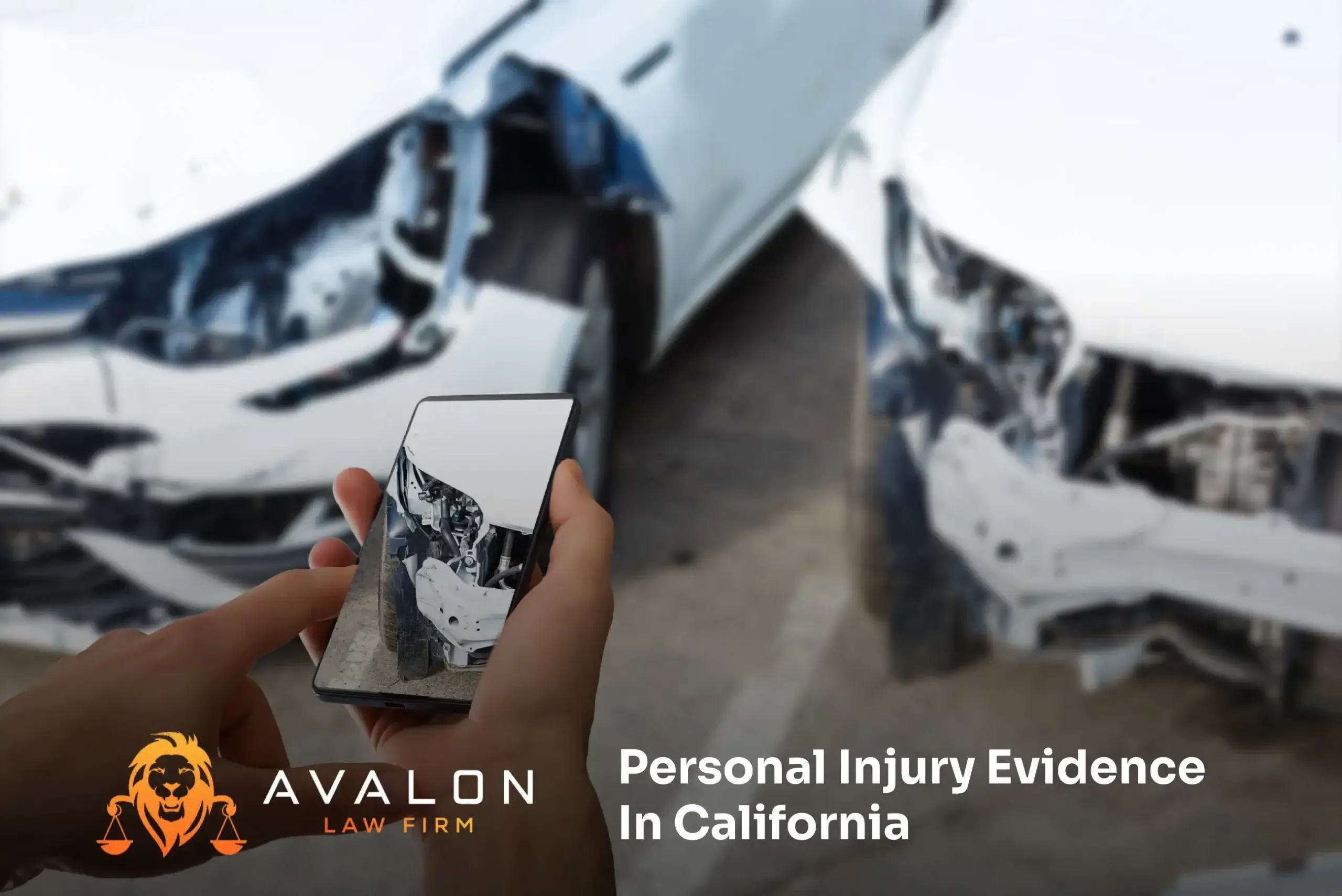
For additional guidance on documenting an injury claim, see personal injury evidence in California.
5. Get Witness Information
If another shopper or employee saw the fall or noticed the hazard beforehand, ask for their name and contact information.
A witness may later help answer questions such as:
- What did the floor look like?
- Was a warning sign present?
- Did an employee know about the spill?
- Had the condition been there before you fell?
Memories fade, and customers may be difficult to locate later, so collecting contact details early can matter.
6. Preserve Your Shoes, Clothing, and Receipts
Keep the shoes and clothing you were wearing in their post-accident condition rather than immediately discarding them.
Also save your grocery receipt, loyalty-app record, or other purchase documentation if available. These records may help establish when you were at the store.
Competitor resources also specifically recommend preserving footwear and clothing following grocery store falls.
7. Note Surveillance Cameras and Preserve Video
Look around for security cameras that may cover the aisle, entrance, checkout area, or location where you fell.
You may not be able to obtain the footage yourself immediately, but identifying the cameras can be useful because surveillance recordings may eventually be overwritten under a store’s retention practices. Competitor guidance also highlights preservation of surveillance video, inspection logs, and related records as time-sensitive evidence.
Write down where the cameras were located and approximately what time the accident happened.
How Can a Grocery Store Be Liable for a Slip and Fall in California?
A grocery store is not automatically responsible every time someone falls.
California premises-liability principles generally focus on whether a dangerous condition created an unreasonable risk, whether the property owner or business knew or should have known about it, and whether reasonable steps were taken to repair the condition, protect customers, or provide an adequate warning.
This can involve two types of knowledge.
Actual notice may exist when employees already knew about a leaking refrigerator, spill, broken tile, or other dangerous condition.
Constructive notice concerns whether the condition existed long enough that a business exercising reasonable care should have discovered it. California’s jury instructions specifically recognize reasonable inspections as relevant when deciding whether a store should have known about a dangerous condition.
A California premises liability lawyer may therefore investigate more than the fall itself.
What Evidence Can Show the Store Should Have Known?
Evidence concerning the age of the hazard can become especially important.
Depending on the circumstances, useful evidence may include:
- Surveillance footage
- Inspection or sweep logs
- Cleaning records
- Maintenance records
- Employee testimony
- Prior customer complaints
- Witness observations
- Photographs showing footprints, cart tracks, or other signs that people had passed through the area
No single item automatically establishes liability. The evidence must be considered together with the circumstances of the accident.
What If There Was a Wet Floor Sign?
A wet-floor sign can be relevant, but its presence does not necessarily answer every liability question.
Issues may include where the sign was positioned, whether it was visible before a customer encountered the hazard, whether it accurately identified the dangerous area, and whether additional precautions were reasonably necessary.
Likewise, the absence of a warning sign does not automatically establish negligence unless the other elements of the claim can also be supported.
A California slip and fall lawyer can investigate whether the store had notice of the hazard, review available inspection records, and help preserve evidence that may disappear after the accident
What Should You Avoid Doing After the Fall?
After a grocery store fall:
- Do not argue with employees.
- Do not guess about facts you do not know.
- Do not discard possible evidence.
- Do not exaggerate or minimize symptoms.
- Avoid posting detailed statements about the accident or your recovery on social media.
- Read documents carefully before signing them.
Keeping your statements factual and preserving available evidence can make it easier to understand what happened later.
Conclusion
After a grocery store slip and fall, protecting your health comes first. Once you are safe, reporting the accident, photographing the hazard, collecting witness information, identifying surveillance cameras, and preserving relevant records can help create a clearer picture of what occurred.
California grocery-store liability often turns on more than simply proving that a fall happened. Evidence may need to show that a dangerous condition existed and that the store knew or reasonably should have known about it.
Avalon Law Firm can review the circumstances of a grocery-store fall, available surveillance footage, inspection records, medical documentation, and other evidence to evaluate the legal issues involved.
Common Questions About Your Rights
Is a grocery store automatically liable if I slip on a wet floor?
No, liability generally depends on factors such as whether the condition was dangerous, whether the store knew or reasonably should have known about it, and whether reasonable steps were taken to repair the condition or warn customers.
How can I prove how long a spill was on the floor?
Evidence may include surveillance footage, witnesses, inspection or sweep logs, employee testimony, photographs, and circumstantial evidence concerning the condition of the spill.
What if the store cleaned the spill before I could photograph it?
Other evidence may still exist. Surveillance footage, witnesses, incident reports, inspection records, employee testimony, and medical documentation may help establish what happened.
Should I ask the grocery store for surveillance footage?
You can document that cameras were present and request that relevant footage be preserved. Whether and how the footage can ultimately be obtained may depend on the circumstances and legal process.
What if there was a wet floor sign?
The sign is relevant, but the analysis may also consider its location, visibility, adequacy, and whether the warning reasonably addressed the actual hazard.
What injuries commonly happen in grocery store falls?
Falls can result in injuries involving the wrists, shoulders, knees, hips, back, neck, or head. The nature and severity of an injury should be evaluated by an appropriate medical professional.